Listen Live

Listen Live

Blog
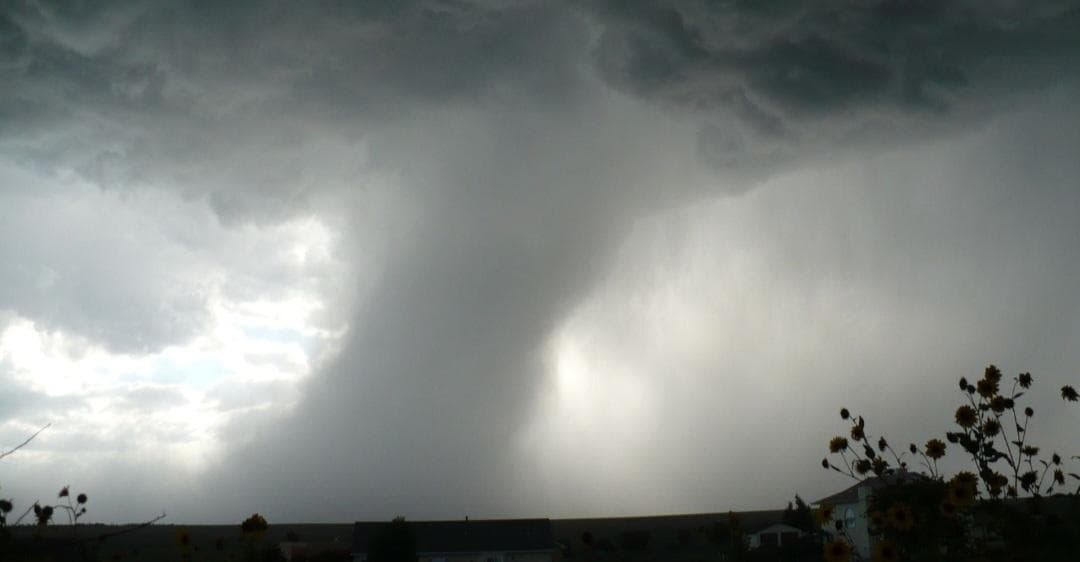


How fitting that we find ourselves dealing with a severe weather threat on the first day of Severe Weather Awareness Week.
Severe Weather Awareness Week in Wisconsin: Are You Ready?
Spring in the Midwest brings warmer temperatures, longer days—and the return of severe weather. This week, April 13–17, is Severe Weather Awareness Week in Wisconsin, a statewide effort led by emergency management officials and the National Weather Service to help residents prepare for storms before they strike.
From thunderstorms and hail to tornadoes and flooding, Wisconsin sees a wide range of severe weather each year. In fact, the state averages around two dozen tornadoes annually, with peak activity in the late spring and summer months. That’s why this week is a perfect reminder to take preparedness seriously.
Severe weather can develop quickly, often with little warning. Awareness Week encourages families, schools, and businesses to review their safety plans and practice what to do in an emergency.
Each day of the week focuses on a different hazard:
It’s not just about information—it’s about action.
Being prepared can make all the difference when severe weather hits. Here are some practical tips to keep you and your family safe:
Know where you’ll go in different situations. For tornadoes, the safest place is typically a basement or an interior room on the lowest level, away from windows.
Make sure everyone in your household knows where to go at home, work, and school. If you live in a mobile home, identify a nearby sturdy building ahead of time.
Don’t rely on just one method. Use a combination of:
Your kit should include:
Check forecasts daily, especially when storms are possible. Conditions can change quickly, so staying informed is key.
Keep your phone fully charged and consider having a backup battery pack in case of power outages.
One of the highlights of the week is the statewide tornado drill, typically held on Thursday. It’s a great opportunity to practice your plan and make sure everyone knows what to do when seconds count.
Severe Weather Awareness Week isn’t just another item on the calendar—it’s a chance to protect your home, your family, and your community. Taking a little time now to prepare can make a huge difference when severe weather hits.
Because here in the Midwest, it’s not a matter of if severe weather will come—it’s when. And being ready could save lives!

Studio: (715) 402-4173 (text or call)
Office: (608) 819-8255
Sales : (262) 634-3311


